by
What It’s Like to Give Birth in a Birth Center: A Calm, Empowering Experience
In this post, we’ll take you through the typical birth center experience—from check-in to postpartum care—highlighting what makes…

Childbirth is one of the most significant life events a person can experience, and choosing where to give birth plays a crucial role in shaping that experience. For many expecting parents, the decision often comes down to two options: a birth center birth or a hospital birth. While both settings aim to ensure a safe delivery for both the birthing person and the baby, they differ in key areas such as environment, cost, and emotional benefits.
In this post, we’ll break down those differences to help you make an informed decision about where to give birth.
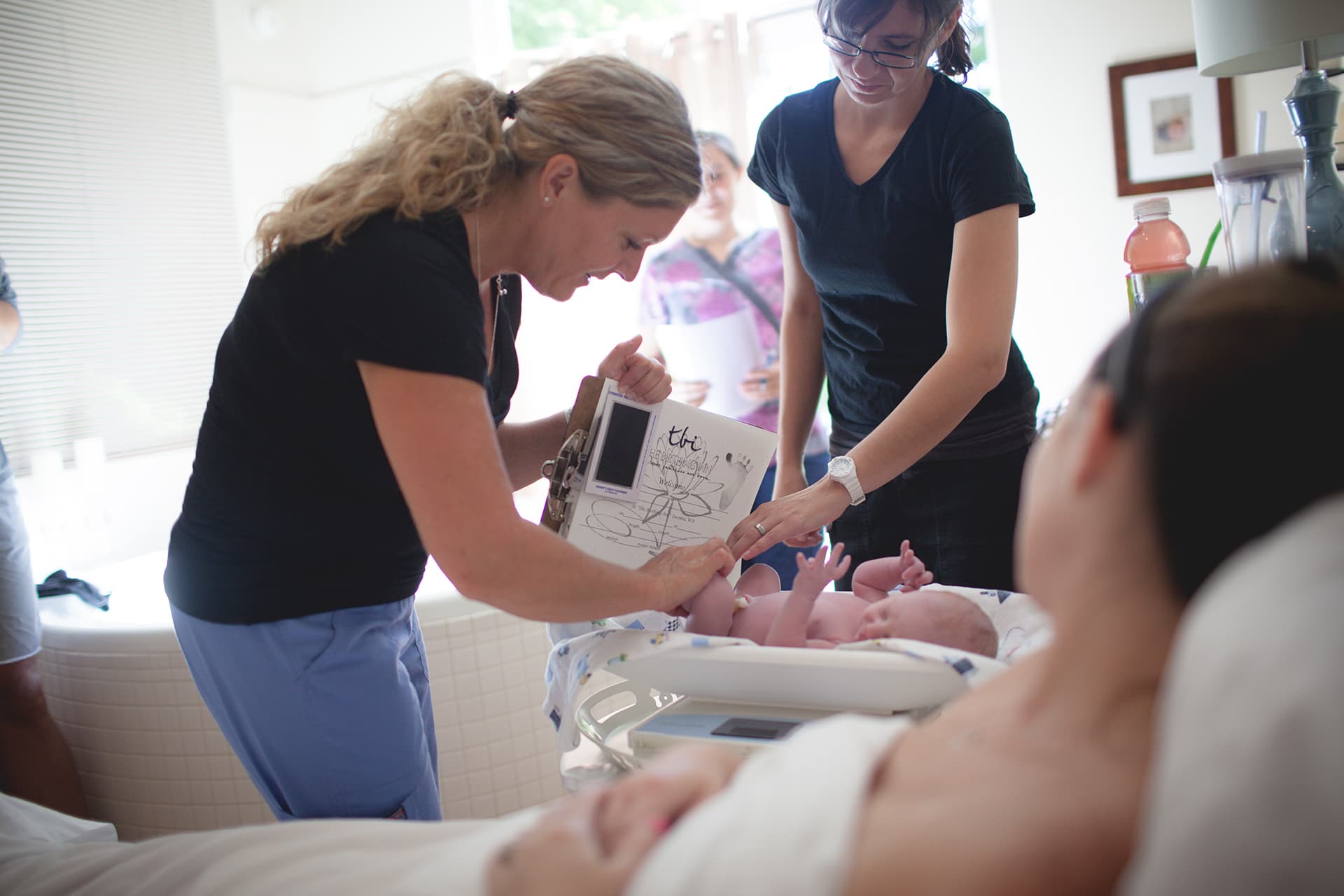
A birth center is a healthcare facility designed specifically for low-risk pregnancies and natural childbirth. Staffed primarily by certified nurse-midwives (CNMs) or licensed midwives, birth centers emphasize a holistic, family-centered approach to birth. They are typically freestanding (though some are attached to hospitals) and focus on minimal medical intervention, allowing labor and birth to progress naturally unless complications arise.
In contrast, a hospital birth typically involves obstetricians and access to advanced medical technologies. Hospitals are equipped to handle high-risk pregnancies, surgical interventions like C-sections, and any unexpected complications during labor.
The atmosphere of a birth center is intentionally designed to be calming and intimate. Many people describe the environment as “home-like,” with features like:
The goal is to support the natural rhythms of labor while offering guidance and care from experienced midwives. Because the setting is less clinical, many birthing individuals feel more at ease and in control during their birth experience.
Hospitals offer a more traditional medical setting, with standard features such as:
While hospitals provide an added layer of safety for high-risk situations, the clinical nature of the environment can feel impersonal or even stress-inducing for some. However, many modern hospitals are beginning to adopt more family-centered practices, like rooming-in and access to birthing balls, to create a more supportive atmosphere.
One of the biggest advantages of birth centers is the lower cost—especially for families without comprehensive insurance. According to national averages:
Because birth centers don’t perform surgery or offer extensive medical interventions, the costs are naturally lower. The emphasis is on preventive care, and there’s less reliance on expensive technology.
Hospital births tend to be significantly more expensive, particularly when interventions are involved:
That said, insurance is more likely to cover hospital births in full or in part. This can make hospital birth more accessible for families relying on employer-sponsored or state insurance plans.
For many, the birth center experience provides a deep sense of autonomy, empowerment, and emotional support. Midwives take time to develop relationships with their clients, often spending 30-60 minutes per prenatal visit to discuss concerns, preferences, and emotional readiness.
Emotional benefits of a birth center birth include:
Many individuals describe birth center care as “trauma-informed”—meaning that caregivers are sensitive to past medical or emotional traumas and strive to support birthing people in ways that feel safe and affirming.
While hospitals may not always offer the same level of emotional intimacy, they provide peace of mind through immediate access to medical technology and specialists. For those with high-risk pregnancies, or anyone who finds reassurance in having doctors and surgical teams nearby, hospitals can be emotionally comforting.
Emotional benefits of hospital birth might include:
For some, knowing they’re in a facility with a full NICU (Neonatal Intensive Care Unit) or surgical team can reduce anxiety—particularly for first-time parents or those with a history of pregnancy loss or complications.
In the event of complications, birth centers are prepared to transfer patients to a hospital. Around 10-12% of birth center clients are transferred during labor, mostly for non-emergency reasons such as stalled labor or request for an epidural.
Yes—for low-risk pregnancies, birth centers are a safe alternative to hospitals. A large national study (the National Birth Center Study II) found that:
Of course, safety depends on choosing a licensed birth center with trained, certified staff and a clear plan for emergency transfers if needed.
Birth centers are typically ideal for:
If you have certain health conditions (like high blood pressure, gestational diabetes requiring insulin, or a history of complications) that is resistant to treatment/management, your provider may recommend hospital birth for safety reasons.
When deciding between a birth center and a hospital, ask yourself:
You can also schedule tours of both facilities, meet with providers, and read reviews or birth stories to help guide your decision.
There is no one-size-fits-all answer when it comes to choosing a birth setting. What matters most is finding a place where you feel safe, supported, and empowered to welcome your baby into the world. For some, that’s a hospital with all the bells and whistles. For others, it’s a cozy birth center where natural birth is the norm.
Whatever you choose, you deserve respectful, compassionate care that aligns with your values and needs.
Your trusted source for natural birth education and pregnancy wellness. Read the latest insights, tips, and stories from The Birthing Inn’s experienced midwife team.
In this post, we’ll take you through the typical birth center experience—from check-in to postpartum care—highlighting what makes…
Choosing where to give birth is a big decision. From the environment to emotional support and cost, we…