by
What It’s Like to Give Birth in a Birth Center: A Calm, Empowering Experience
In this post, we’ll take you through the typical birth center experience—from check-in to postpartum care—highlighting what makes…

Giving birth is one of life’s most transformative experiences—and how and where it happens can shape how it’s remembered for a lifetime. While hospitals remain the most common setting for childbirth, a growing number of people are choosing birth centers as a middle ground between clinical care and the comfort of home. But what is it actually like to give birth in a birth center?
In this post, we’ll take you through the typical birth center experience—from check-in to postpartum care—highlighting what makes it different from hospital birth, how families describe the emotional and physical aspects of it, and why so many walk away feeling empowered, respected, and cared for.
Before diving into personal experiences, it’s important to understand what a birth center is. A birth center is a freestanding, home-like facility designed for people with low-risk pregnancies who want to give birth outside of a hospital, but still under the care of trained professionals.
These centers are typically staffed by Certified Nurse Midwives (CNMs) or Licensed Midwives, and they offer comprehensive prenatal, labor, delivery, and postpartum care. They are not equipped for major medical interventions like C-sections or epidurals, but they are stocked with tools and medications for routine labor management and emergencies, with clear protocols in place for hospital transfers if needed.
One of the first things people mention about arriving at a birth center is how non-clinical it feels. Instead of harsh fluorescent lights, cold exam rooms, and beeping monitors, you might find:
“It felt more like checking into a cozy Airbnb than going into labor,” one mother said. “There was a sense of calm from the minute we walked in.”
Because you’ve likely had all your prenatal visits at the center, you’re already familiar with the staff and the space. There’s no handing over of charts, no explaining your birth plan to strangers, and no waiting in triage.
At a birth center, your labor progresses on your own timeline. There’s no pressure to be hooked up to machines or monitored continuously unless medically necessary. Instead, you’re encouraged to listen to your body, eat and drink as you like, and move freely.
Many birth centers offer tools and props to help labor progress naturally:
“I labored in the tub for hours with low lights and soft music. It was peaceful, almost meditative,” recalled another birthing parent. “I felt in control, like my body knew what to do.”
One of the biggest advantages of birth centers is the lower cost—especially for families without comprehensive insurance. According to national aOne hallmark of the birth center experience is the level of personalized care and attention. Unlike hospitals, where nurses may rotate in and out during their shifts, your midwife is often with you from early labor until well after birth. Many centers also allow and encourage the presence of doulas, partners, family members, and even children if you choose.
“My midwife held my hand, looked me in the eye, and reminded me I was strong when I started to doubt myself,” one mother said. “I never felt alone or rushed. That made all the difference.”
This high level of emotional support often leads to better birth experiences and lower rates of intervention. It also helps many people feel seen, heard, and respected—which can have a profound effect on postpartum mental health and self-image.
Because birth centers don’t perform surgery or offer extensive medical interventions, the costs are naturally lower. The emphasis is on preventive care, and there’s less reliance on expensive technology.

The transition phase—when labor intensifies before pushing—can be one of the most challenging parts of labor. In a birth center, the focus remains on non-pharmacological coping techniques such as:
“It was intense, no doubt,” one person admitted. “But I never felt fear. The environment felt safe, and I trusted my team completely.”
When it comes time to push, birth centers offer flexibility in positioning. You can squat, kneel, lie on your side, stand, or even birth in water—whatever feels best and most effective.
Some describe the moment of birth in a birth center as nothing short of sacred:
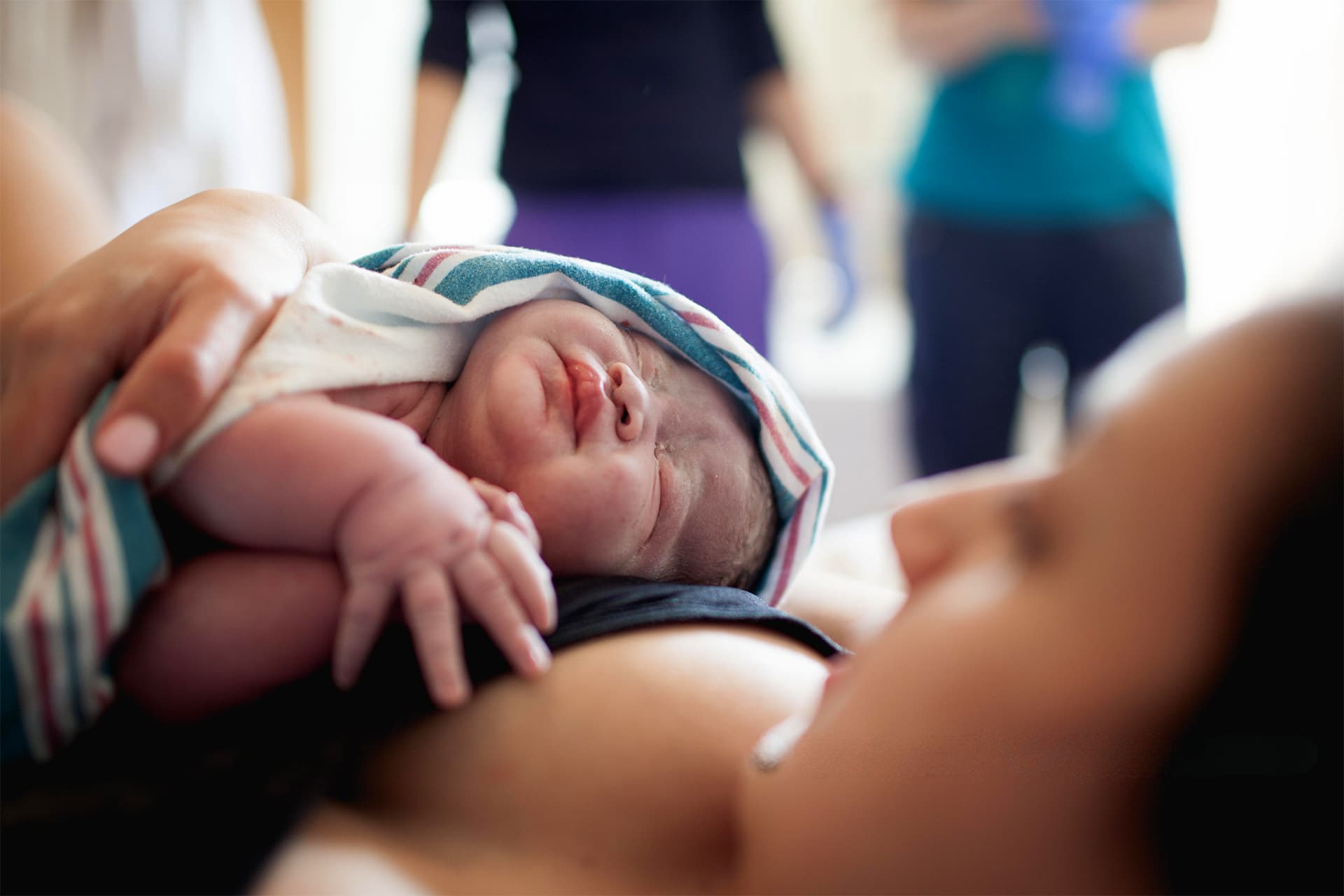
“The lights were dim, the room was quiet. I caught my baby in the water, and we held each other skin-to-skin right away. No one whisked her off. We were given space to just be. It was raw, emotional, and perfect.”
Once the baby is born, most birth centers follow a physiologic approach to the “golden hour.” That means:
There’s no nursery, no separate recovery room, no hospital-grade bed adjustments. Just you, your partner, your baby, and your midwife, in a space that feels more like a bedroom than a medical suite.
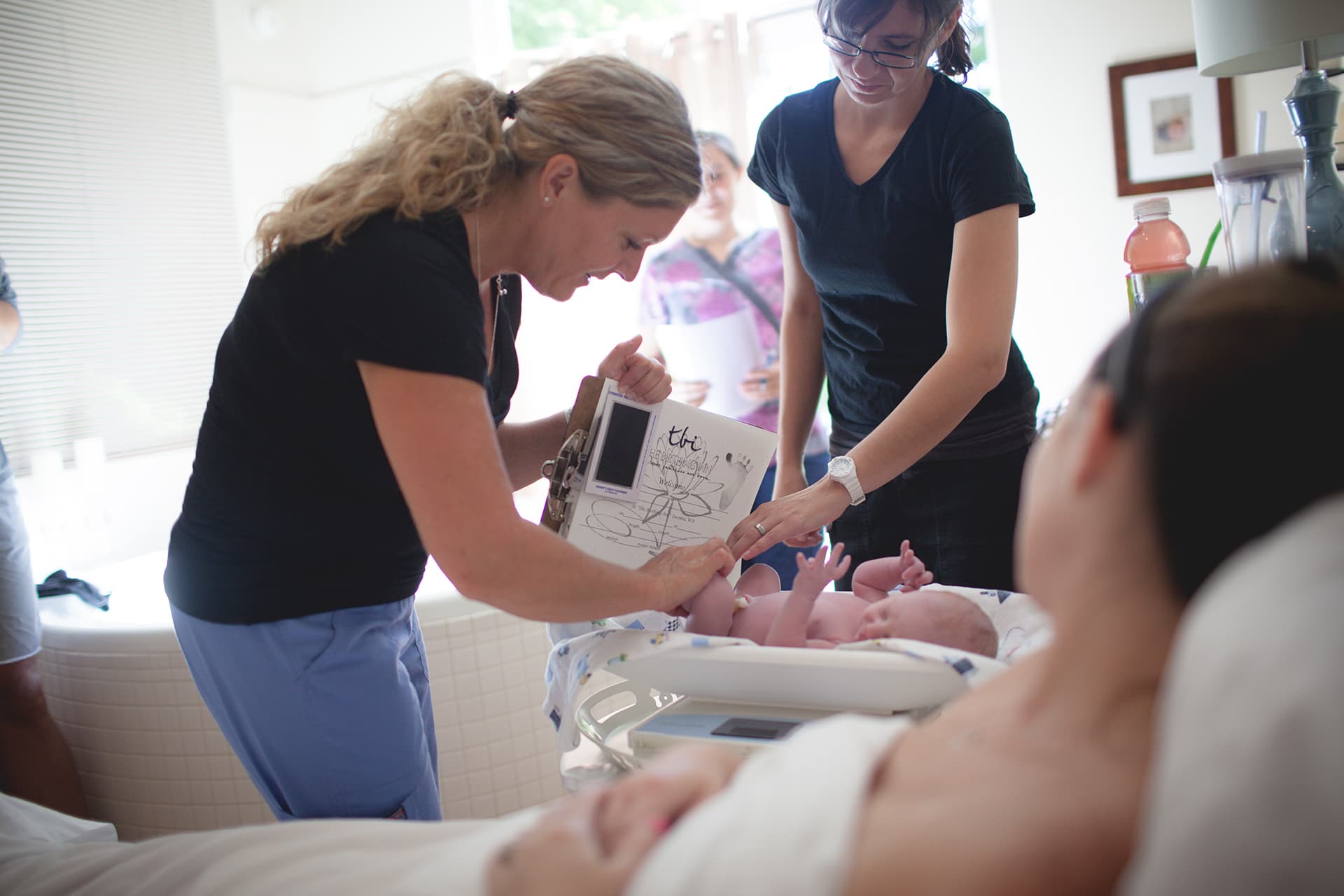
Your baby is typically examined and weighed right next to you, often on the same bed. Parents frequently describe this as a gentle, uninterrupted beginning to the bonding process.
One of the biggest differences in the birth center model is how quickly you go home after giving birth. Most families are discharged between 4 and 12 hours postpartum, depending on how everyone is doing.
That might sound shocking at first, but many describe it as a relief:
“We were home in our own bed, eating takeout, and cuddling our newborn by dinner time,” said one new parent. “It felt surreal and natural all at once.”
But birth centers don’t leave you hanging. They offer comprehensive follow-up care, including:
This continuity of care—especially from providers you already know and trust—is something many families find invaluable.
Based on hundreds of personal stories, interviews, and reviews, here’s what stands out most to those who’ve chosen birth centers:
People appreciate being trusted and encouraged to listen to their own instincts. They feel like active participants in their birth—not passive patients.
The soothing atmosphere allows the body’s natural labor hormones to work effectively, reducing fear and promoting progress.
Birth centers are ideal for those wanting to avoid unnecessary interventions, such as Pitocin, continuous fetal monitoring, or surgical births (though transfers are made if needed).
You’re not a chart number. You’re a person with preferences, fears, and hopes—known and supported by your care team.
For many families without comprehensive insurance, birth centers are significantly more affordable than hospitals—especially when avoiding high-cost interventions.
Birth centers aren’t the right choice for everyone. You may need a hospital birth if:
Also, while birth centers are safe for low-risk pregnancies, hospital transfers do happen—usually for non-emergent reasons like stalled labor or desire for an epidural. Birth centers are well-prepared for this, but it’s worth discussing transfer logistics in advance.
“I was scared of hospitals but also nervous about a home birth. The birth center felt like the best of both worlds. My labor was long, but the midwives were patient, supportive, and never once made me feel rushed. The moment my daughter was born in the water, with my partner holding me, was the most powerful experience of my life.”
“My first birth in the hospital left me feeling powerless. I chose a birth center the second time, and it changed everything. I felt safe, strong, and respected. They let me catch my baby, and we were home by dinner. I finally understood what a healing birth could feel like.”
Choosing where to give birth is deeply personal. A birth center offers a beautiful, empowering, and safe option for people with low-risk pregnancies who want a natural, supported, and personalized experience. It’s not about rejecting medical care—it’s about choosing a model of care that trusts and supports the body’s natural ability to give birth, with skilled professionals there every step of the way.
If you’re curious about this option, visit a local birth center. Ask questions, meet the midwives, and see how it feels to step into that space. Birth is a big moment—you deserve to have it unfold in a place where you feel safe, supported, and powerful.
Have you given birth at a birth center? Share your story in the comments or connect with others exploring this path. Your voice might help someone find the confidence to choose the birth experience that’s right for them.
Your trusted source for natural birth education and pregnancy wellness. Read the latest insights, tips, and stories from The Birthing Inn’s experienced midwife team.
In this post, we’ll take you through the typical birth center experience—from check-in to postpartum care—highlighting what makes…
Choosing where to give birth is a big decision. From the environment to emotional support and cost, we…